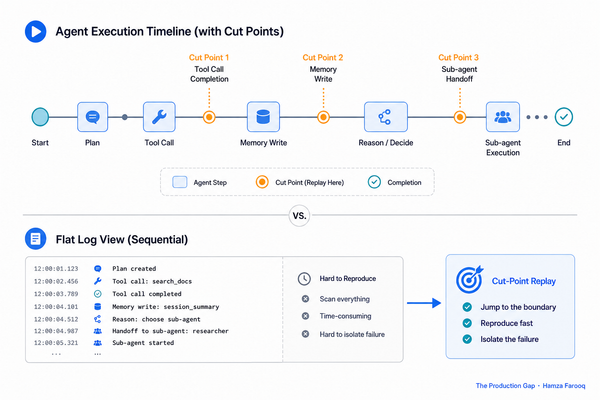
Agent Replay Debugging: How Cut-Point Replay Pinpoints Production Failures Faster Than Reading Logs
Agent replay debugging with cut-point replay lets you re-run failing LLM traces from any checkpoint—faster than parsing logs or full reruns.

Agent replay debugging with cut-point replay lets you re-run failing LLM traces from any checkpoint—faster than parsing logs or full reruns.
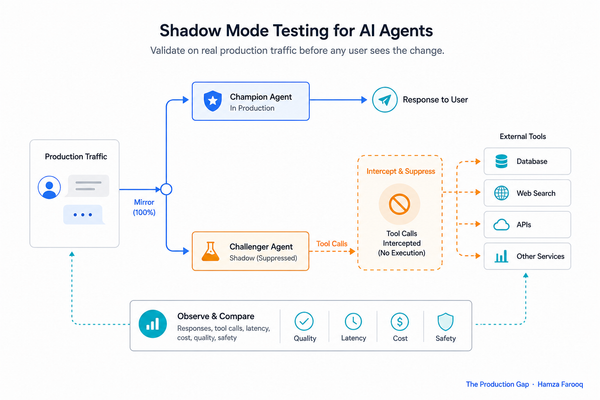
Shadow mode testing lets you run AI agents on live production traffic—catching real regressions before users ever see a change. Here's how it works.
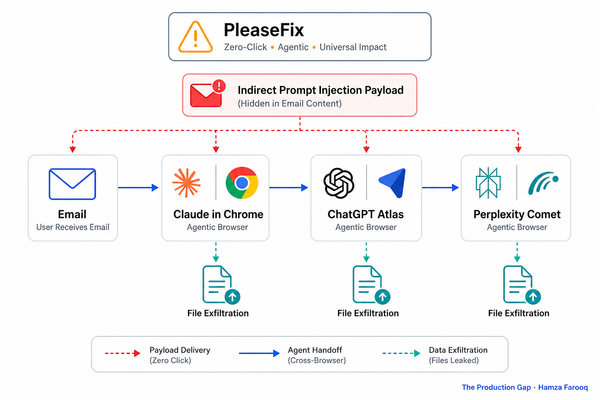
PleaseFix agentic browser vulnerability broke Claude, ChatGPT Atlas, and Perplexity Comet at once. Learn the root cause and how to stop prompt injection now.
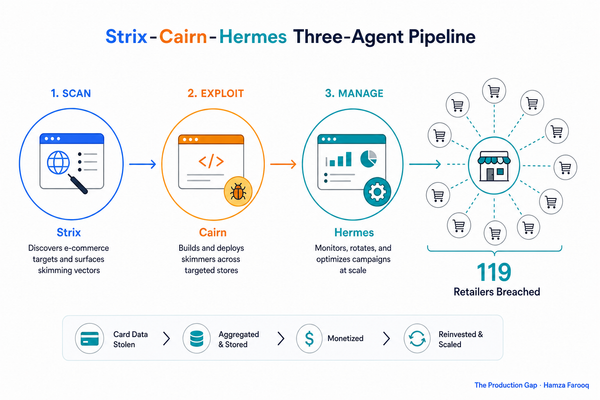
AI agent card skimming hit 119 e-commerce sites at once. Learn how multi-agent pipelines stole 600K cards—and how sandboxing stops them.
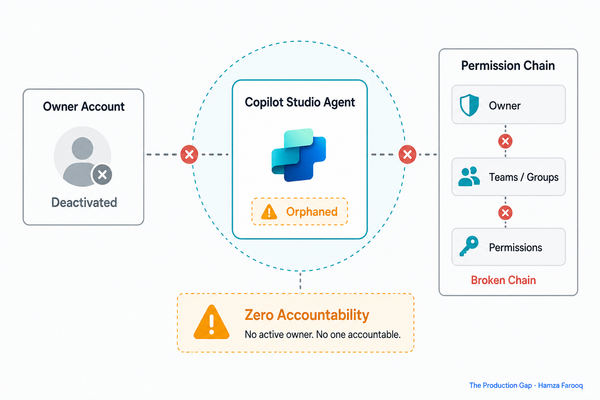
AI agent ownership reassignment stops orphaned agents before they break. Learn governance rules, offboarding triggers, and Microsoft's native tooling.
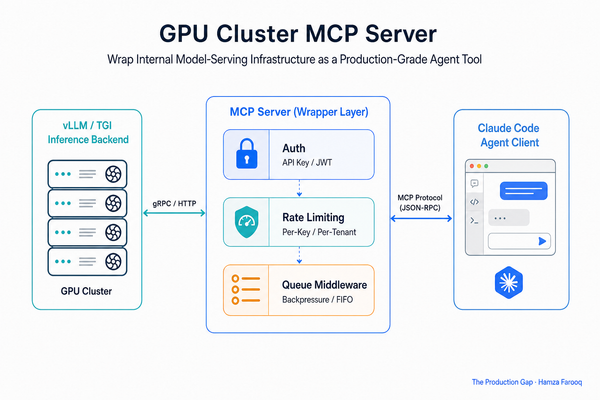
GPU cluster MCP server patterns for wrapping vLLM or Triton endpoints with auth, rate limiting, and queuing your agents can actually use.
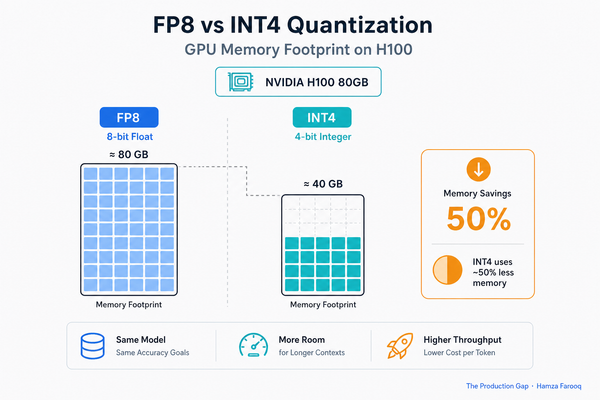
FP8 vs INT4 quantization explained: pick the right LLM inference format for your GPU, workload, and memory limits with this 2026 production decision framework.
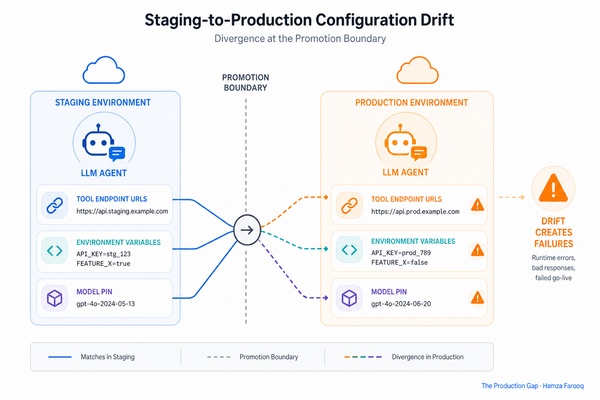
Agent environment configuration drift silently breaks AI go-lives. Learn how fail-fast boot validation and the RCFG pattern catch staging-to-production mismatches early.
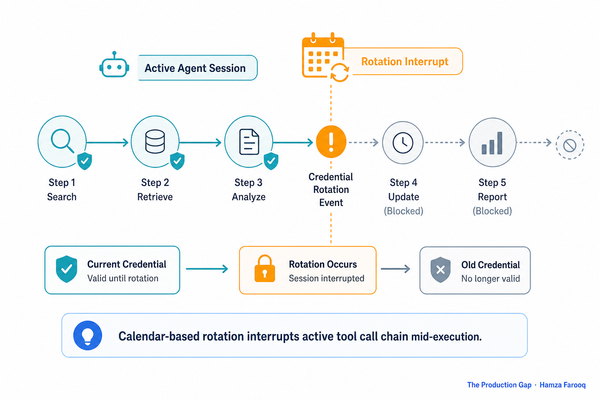
Ephemeral credentials per request fix broken rotation schedules for agent sessions. Learn how per-tool-call issuance via forward proxies keeps workload IAM secure.
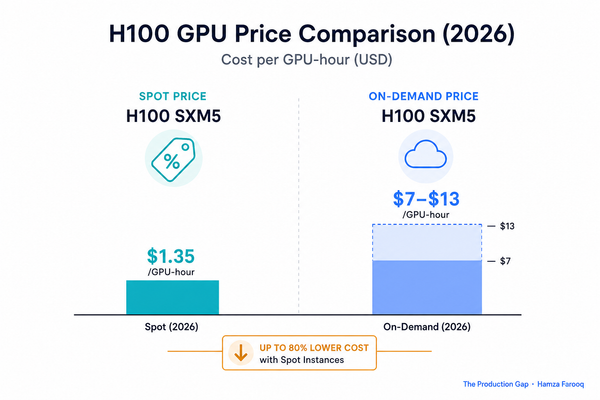
Spot GPU interruption rates are under 5%/day. Learn how checkpoint-and-resume lets preemptible instances cut costs 50–90% for agent workloads.
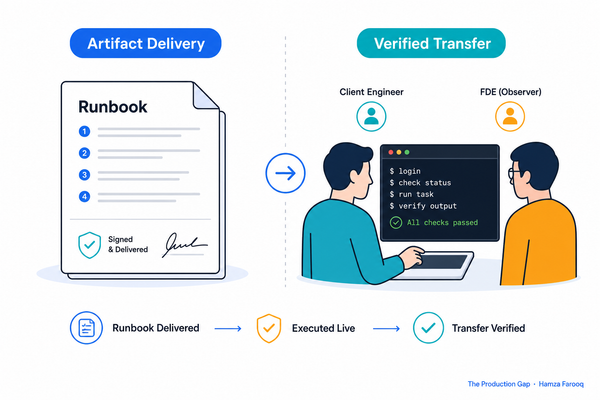
Knowledge transfer verification means watching your client run the runbook live—not just handing it over. Close real gaps before you leave.
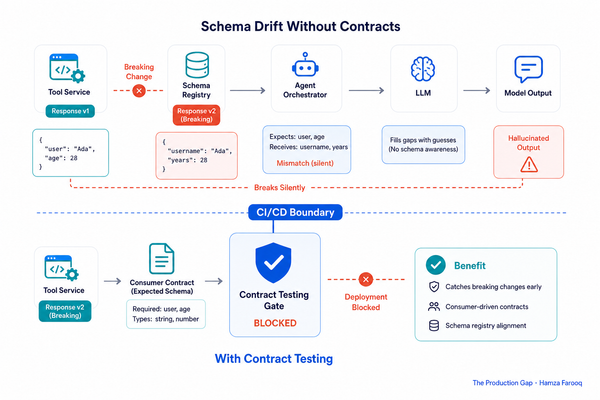
Agent contract testing stops schema drift before it silently breaks your model. Learn how consumer-driven contracts and schema registries block bad deploys early.
The Production Gap
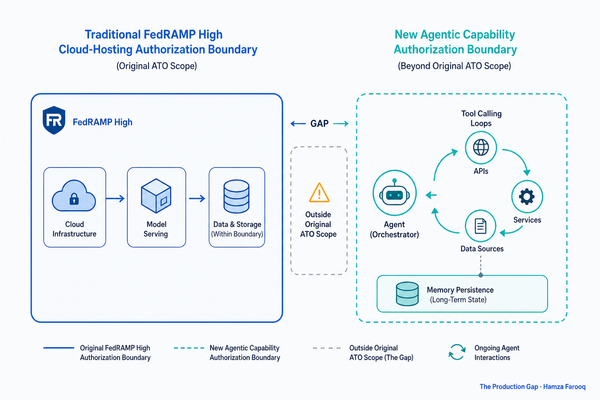
FedRAMP High agentic AI authorization demands new control overlays. Learn how to redraw ATO boundaries, satisfy NIST AI RMF, and meet agency audit requirements.
The Production Gap
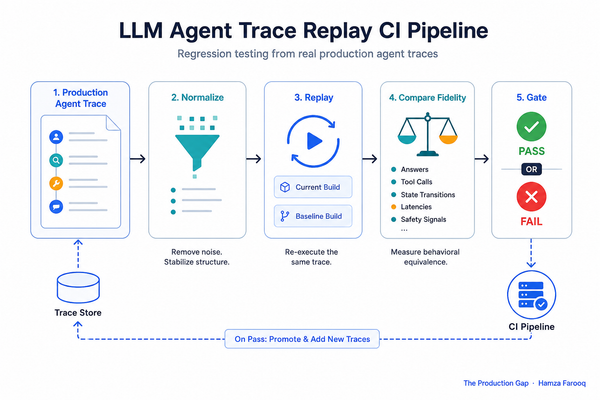
LLM regression testing CI using real production agent traces catches silent drift and tool-call breaks your golden-answer evals will never see.
The Production Gap
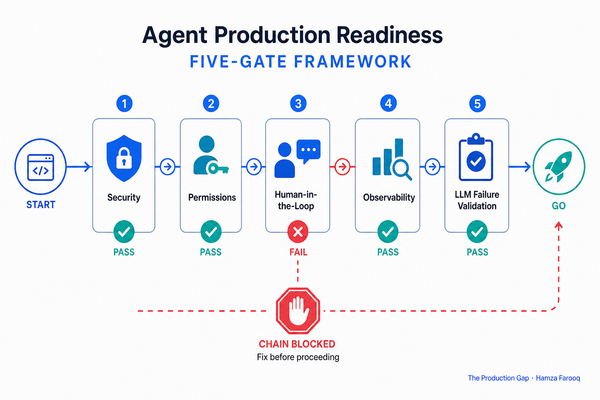
Agent production readiness checklist: use 5 binary gates—security, permissions, HITL, observability, LLM validation—to stop AI incidents before they start.
The Production Gap
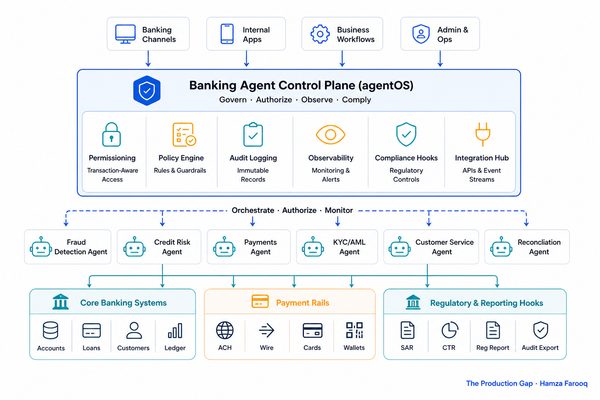
Banking agent control plane explained: how agentOS handles audit logging, transaction permissioning, and regulatory hooks your AI deployments actually need.
The Production Gap
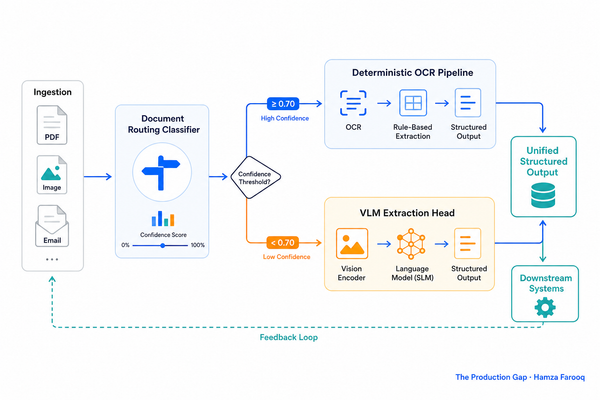
OCR vs LLM document processing explained: learn how hybrid VLM pipelines cut template debt and hit 95%+ accuracy across structured and unstructured documents.
The Production Gap
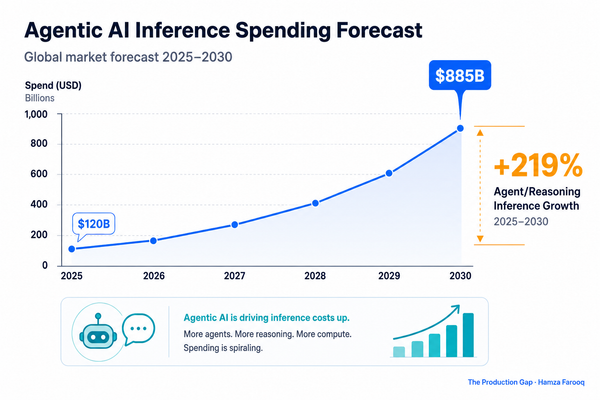
Agentic AI inference costs hit 100x chat spend. Learn how per-tenant telemetry and chargeback architecture turn platform black holes into clear, billable costs.
The Production Gap
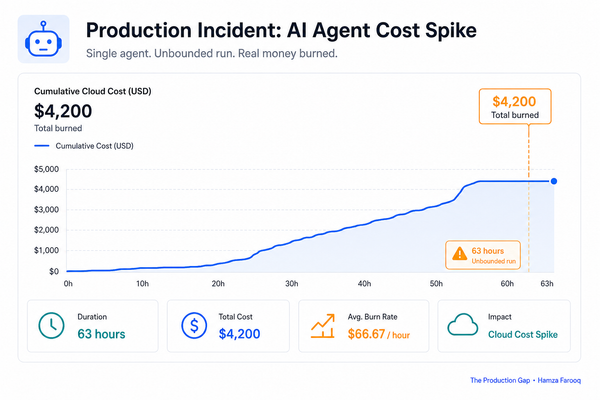
AI agent incident postmortem guide: capture tool-call traces, assign ownership, and build a template that actually fits how agents fail in production.
The Production Gap
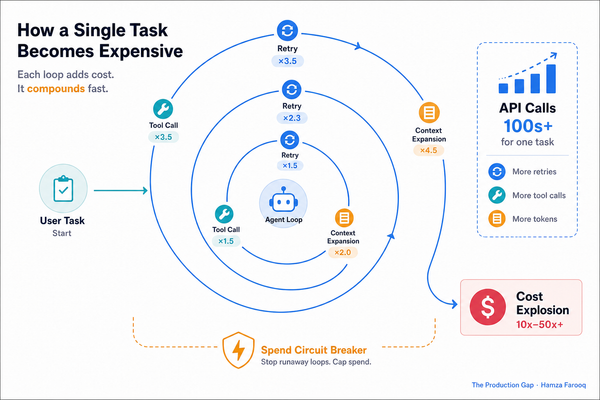
AI agent runaway costs spiral fast. Learn how a spend circuit breaker stops agent loops before they blow your budget—not after.
The Production Gap
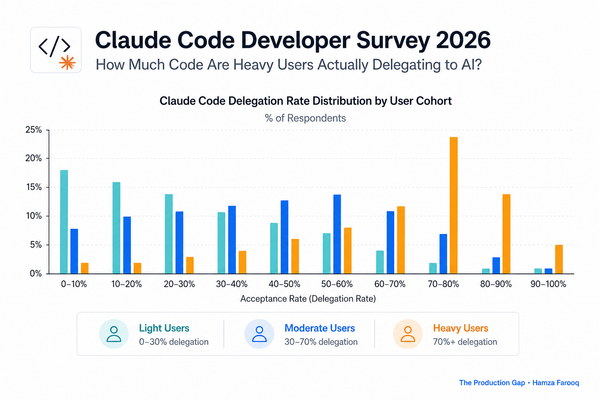
Claude Code developer survey insights for 2026: see how heavy users delegate agentic coding tasks—and why the smartest ones never skip code review.

The Production Gap
Local vs cloud coding AI: quantify the benchmark gap, weigh privacy needs, and use our RDCT framework to choose the right deployment before committing.
The Production Gap
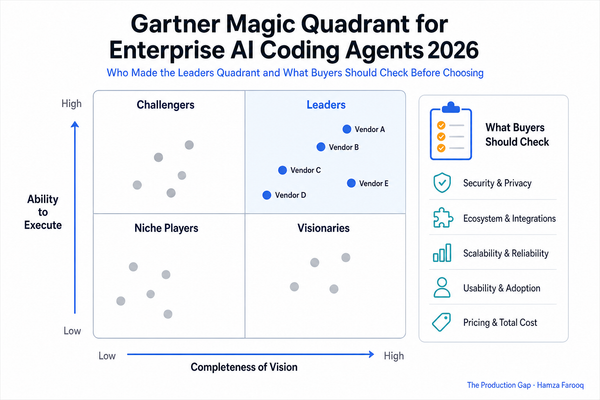
Gartner Magic Quadrant enterprise AI coding agents decoded: top vendors, Leaders quadrant criteria, and a procurement checklist to pick the right tool.
The Production Gap
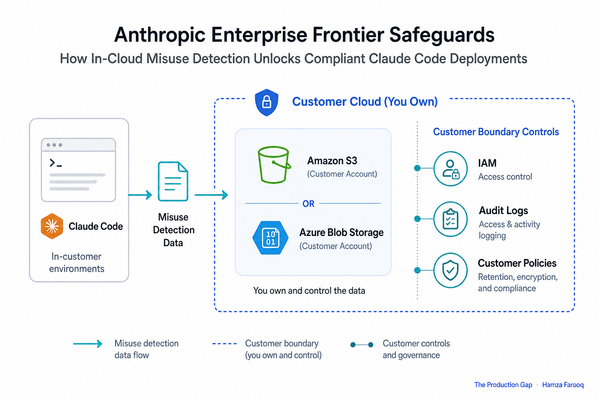
Anthropic Enterprise Frontier Safeguards keeps misuse detection in your cloud, unlocking HIPAA and FedRAMP-compliant Claude API deployments for regulated industries.